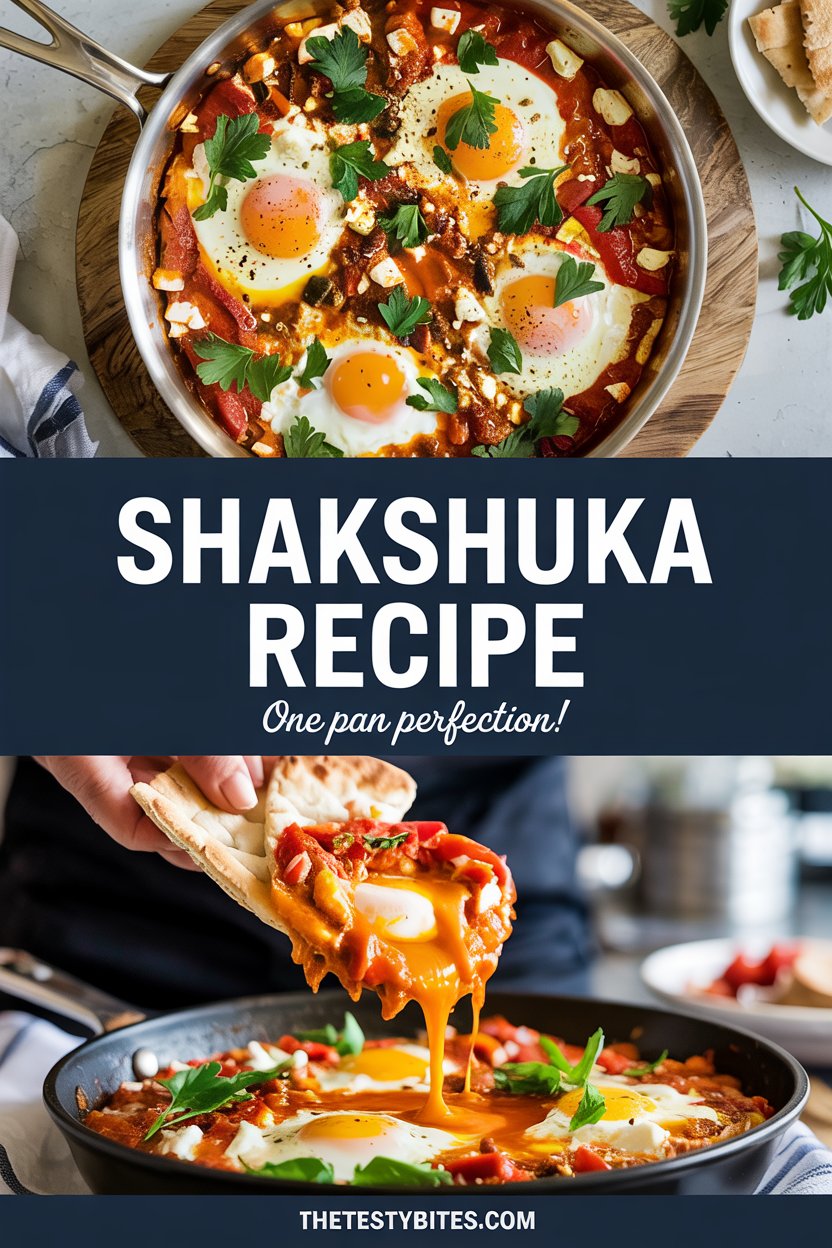
Shakshuka
Eggs poached in a smoky, cumin-spiked tomato sauce with sweet bell pepper and onion. One skillet, thirty minutes, and genuinely impressive for the effort involved.
Tasted & written by Rachel
Prep
10 min
Cook
20 min
Total
30 min
Serves
6
The Key
Reduce the tomato sauce before adding the eggs. If a spoon dragged through the sauce fills back in immediately, it's too thin. The eggs need thick sauce to hold their shape — otherwise they sink, the whites spread, and you lose the clean wells that make shakshuka look (and eat) right.
David came back from a race in Asheville raving about shakshuka from some breakfast spot he couldn't remember the name of. So I made it. Three times in one week, actually, because Mia kept asking for "the egg pan" and honestly I couldn't argue — it's the kind of dish that makes you feel like you cooked something real while barely trying.
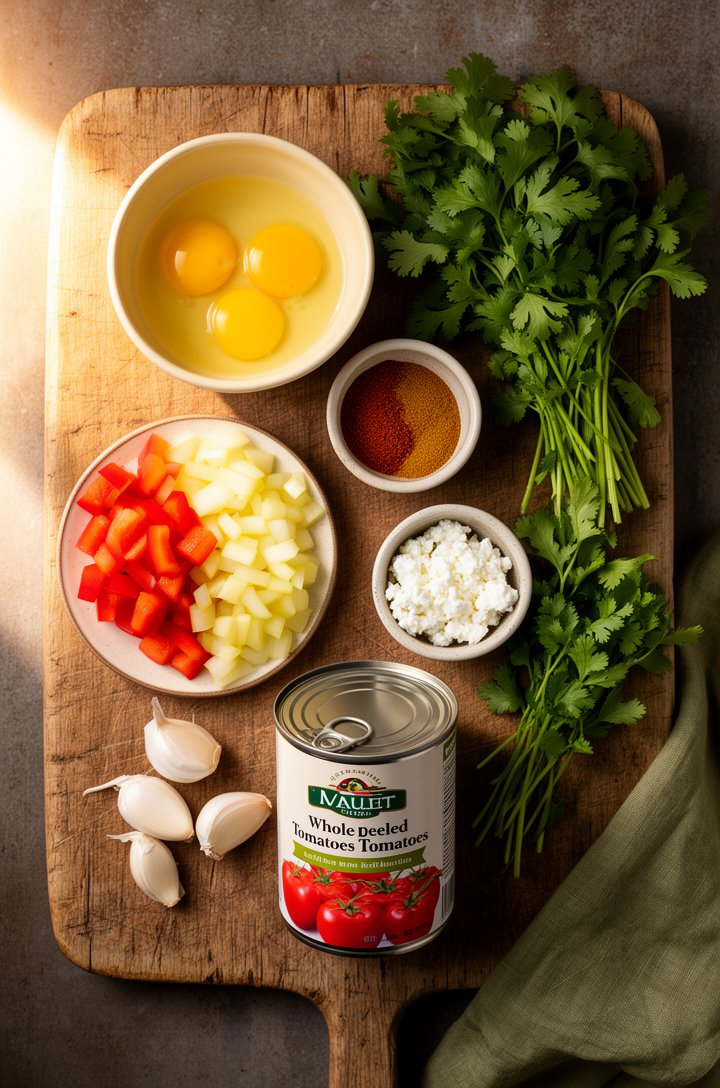
The whole thing lives or dies on two things: reducing the sauce until it's thick enough to hold the eggs, and not overcooking said eggs. That's it. Everything else is just onions and spices doing what they do.
The spices go in after the vegetables soften — paprika, cumin, a whisper of chili powder. You stir for exactly one minute, just long enough for the kitchen to smell like something you'd pay eighteen dollars for at brunch. Then the tomatoes. Whole peeled, crushed by hand right into the pan. There's something satisfying about squeezing canned tomatoes through your fingers that I refuse to give up for the convenience of pre-crushed.
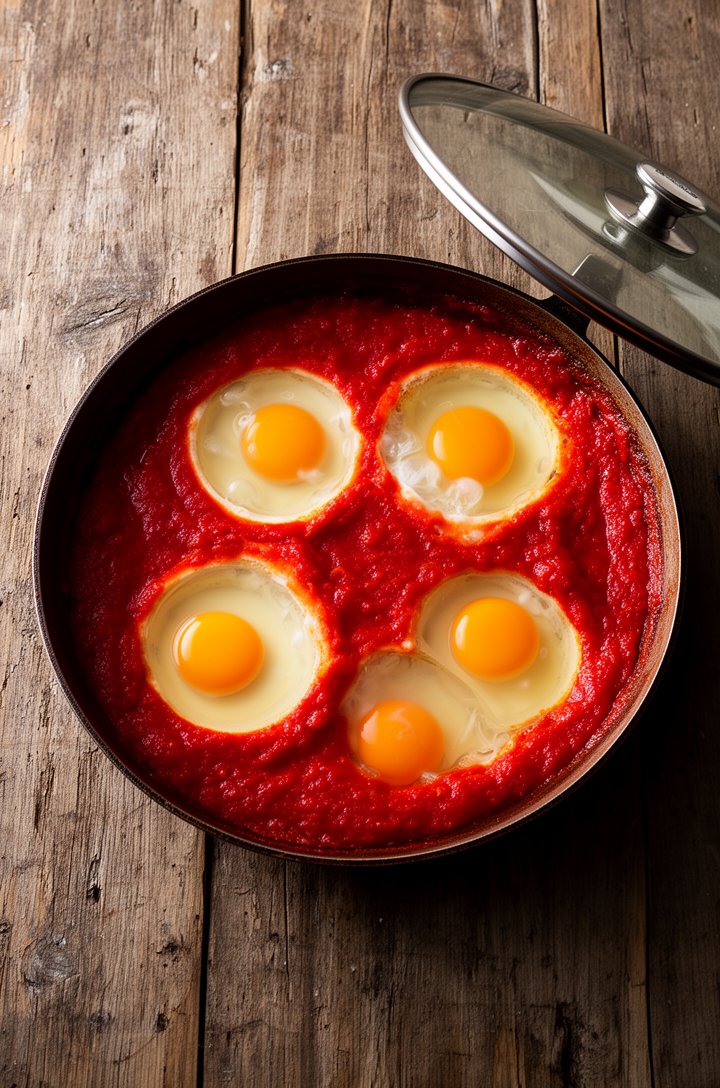
Once the sauce is thick — and I mean thick, not "reduced a little" thick, but "spoon trail stays visible for two seconds" thick — you make the wells. Six little craters. Crack an egg into each one. Lid on. Walk away for six minutes. Come back to set whites and runny yolks, which is frankly the only acceptable outcome.
Priya adds harissa to hers. David wants extra feta. Noah won't touch it, obviously, but Mia eats hers with a spoon and gets tomato sauce in her hair every single time. I've stopped fighting it.

Mise en place
Ingredients
- 2 tbsp Olive Oil
- 1 medium Yellow Oniondiced
- 1 medium Red Bell Pepperseeded and diced
- 4 clove Garlicfinely chopped
- 2 tsp Paprika
- 1 tsp Ground Cumin
- 0.25 tsp Chili Powder
- 1 (28-ounce) can whole peeled tomatoes
- 1 tsp Salt
- 0.5 tsp Black Pepper
- 6 whole Eggs
Garnish
- 0.25 cup Cilantro (fresh)chopped
- 0.25 cup Fresh Parsleychopped
- 2 oz Feta CheesecrumbledOptional
Serving
- 4 piece Pita BreadwarmedOptional
The Method
Instructions
- 01
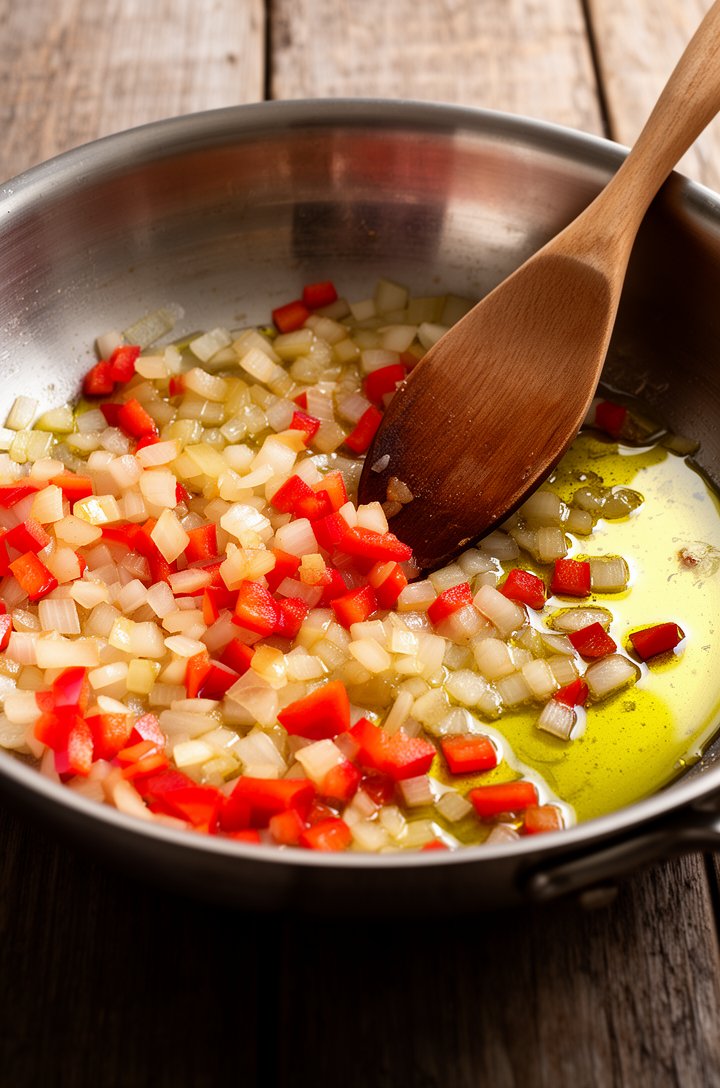
Heat olive oil in a large skillet over medium heat. Add the diced onion and bell pepper and cook, stirring occasionally, until the onion is translucent and the pepper is soft.
Done when:Onion is translucent — you can almost see through the pieces — and the pepper has lost its raw crunch. Edges may be barely golden.
- 02
Add the garlic, paprika, cumin, and chili powder. Stir constantly for one minute.
Done when:The kitchen smells warm and toasty, not raw. Spices have darkened slightly and coated the vegetables evenly.
- 03
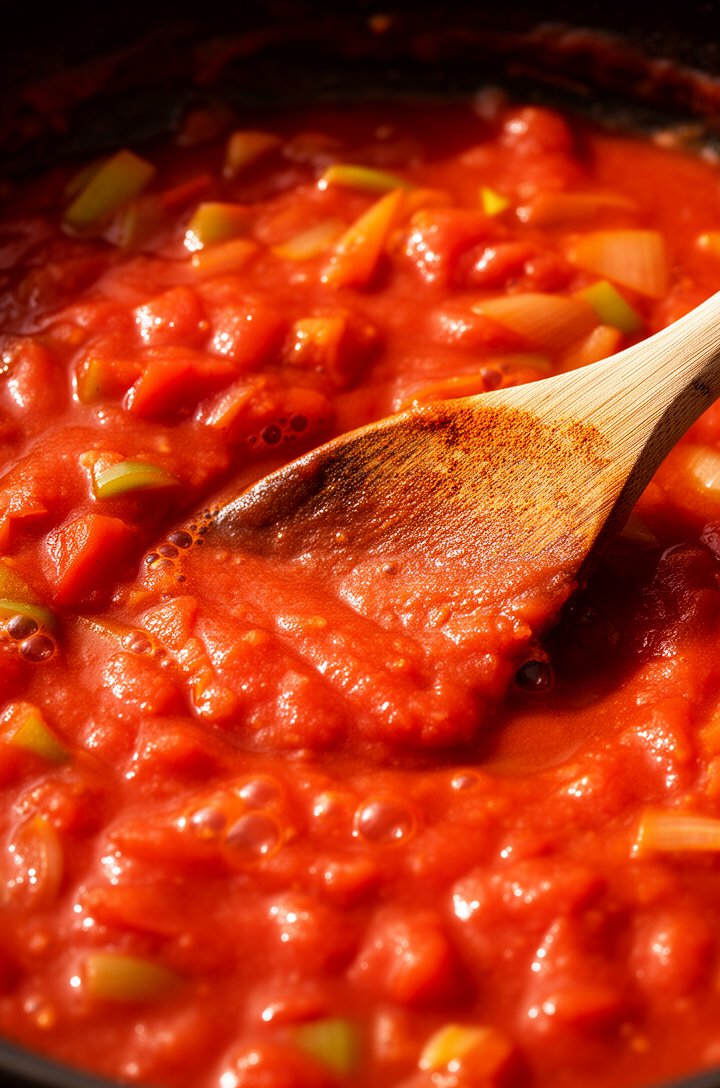
Pour in the entire can of tomatoes with their juices. Break the tomatoes apart with a wooden spoon into rough chunks — don't purée them. Season with salt and pepper. Bring to a simmer and cook until the sauce thickens.
Done when:Sauce has reduced enough that a spoon dragged through it leaves a trail that fills in slowly, not immediately. Chunky but cohesive — not watery.
- 04
Reduce heat to medium-low. Use the back of a spoon to make six small wells in the sauce. Crack one egg into each well.
Done when:Each egg sits in its own shallow crater, whites touching the sauce but yolks sitting above the surface like little domes.
- 05
Cover the skillet and cook until the egg whites are fully set but the yolks are still runny.
Done when:Whites are opaque and firm to a gentle touch. Yolks jiggle when you shake the pan. If you prefer firmer yolks, give it another 2 minutes uncovered.
- 06
Remove from heat. Scatter chopped cilantro, parsley, and crumbled feta over the top. Serve immediately straight from the skillet with warm pita for dipping.
Done when:Herbs are bright green against the red sauce. Feta is scattered in uneven crumbles, not piled.
Where it goes wrong
Common mistakes
- ✕Adding eggs to watery sauce — they'll poach in liquid instead of setting in thick sauce, and you'll get bland, rubbery whites.
- ✕Using pre-minced jarred garlic — the water content steams instead of sautés and you lose the punch.
- ✕Cranking the heat to speed up the eggs — high heat sets the whites unevenly and turns the yolks chalky before the whites finish.
- ✕Skipping the lid — the tops of the eggs never set and you end up with raw-looking whites around runny yolks.
Context
Compared to the usual
This is the Tunisian-Israeli standard — tomato, bell pepper, cumin, paprika, eggs. The dish has at least a dozen regional variations: Turkish menemen scrambles the eggs in; Libyan versions add merguez sausage; some Yemeni cooks use a green shakshuka base of spinach and cilantro instead of tomato. Ours is the version you'll find at every breakfast café in Tel Aviv — the one that started the brunch-menu invasion worldwide. Simple, not simplified.
Glossary
Techniques used
- Shakshuka
- Hebrew/Arabic for 'all mixed up.' Eggs poached in spiced tomato sauce, eaten straight from the skillet. North African and Middle Eastern origins, adopted as Israel's national breakfast.
- Blooming spices
- Cooking ground spices in hot oil for 30-60 seconds to activate their fat-soluble flavor compounds. Makes them taste 3x more potent than adding them dry to liquid.
- Wells
- Shallow craters pressed into the sauce with the back of a spoon. Each one cradles an egg so it poaches in place instead of sliding around the pan.
Riffs
Variations
Green shakshuka
Replace the tomato sauce with a base of sautéed spinach, cilantro, and green chili. Add a squeeze of lemon after the eggs set. Lighter, brighter, and just as fast.
Feta-loaded
Stir 2 ounces of crumbled feta directly into the sauce before making the wells, then scatter more on top after cooking. The cheese melts into tangy pockets throughout.
Chorizo shakshuka
Brown 4 ounces of diced chorizo before cooking the onions. Use the rendered fat instead of olive oil. The smoky, paprika-heavy sausage turns this into a serious brunch centerpiece.
Q & A
Frequently asked
Can I make this ahead?
Make the sauce up to 2 days ahead and store it in the fridge. When you're ready, reheat the sauce in the skillet until it simmers, then crack in fresh eggs. The sauce actually improves overnight.
What if I don't have a lid?
A flat baking sheet laid over the skillet works. You just need something to trap the steam so the tops of the eggs cook without you having to flip them.
Can I add meat?
Crumbled merguez or chorizo browned before the onions goes in makes this a full meal. Cook the sausage first, set it aside, use the rendered fat instead of olive oil, then add it back with the tomatoes.
Is shakshuka spicy?
As written, it has gentle warmth — a 2 out of 5. For more heat, double the chili powder or add a pinch of cayenne. For zero heat, skip the chili powder entirely.
Storage
Leftover sauce (without eggs) keeps in an airtight container in the fridge for up to 5 days. Cooked shakshuka with eggs is best eaten immediately — reheated eggs turn rubbery.
Reheating
Sauce only: reheat in a skillet over medium-low until simmering, then add fresh eggs. If you must reheat with eggs already in, cover on low heat just until warmed through — accept that the yolks will be set.
Freezing
Freeze the sauce (without eggs) in a zip-top bag laid flat for up to 3 months. Thaw overnight in the fridge, reheat, and poach fresh eggs in it.
Make ahead
The tomato sauce can be made up to 2 days ahead and refrigerated. Reheat until simmering, then crack in the eggs fresh — don't try to reheat cooked eggs in shakshuka.
Serve with
Warm pita or crusty bread is non-negotiable — you need something to drag through the sauce and break the yolks into. A simple chopped cucumber-tomato salad on the side, maybe a smear of labneh or plain yogurt. Strong coffee.