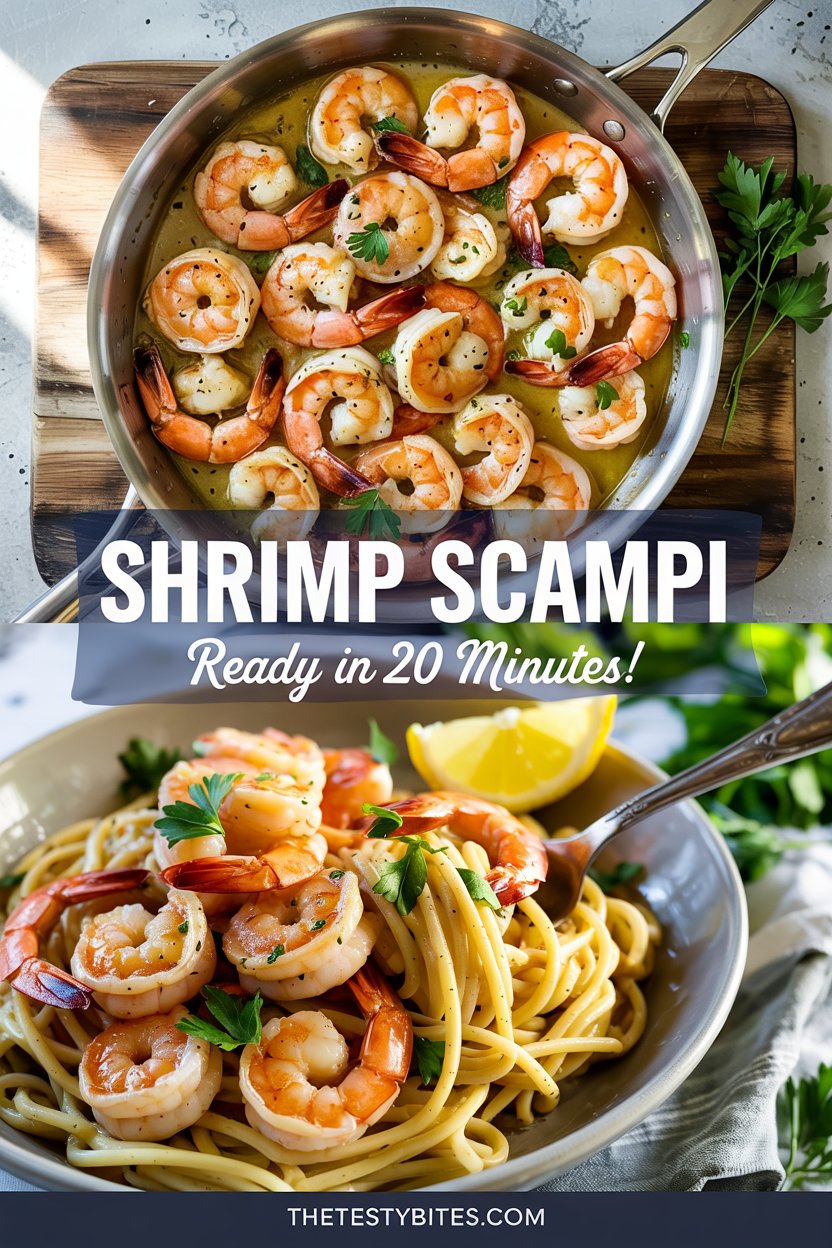
Shrimp Scampi
Plump shrimp tossed in a fast garlic-butter sauce with white wine, lemon, and a hit of red pepper flakes. Ten minutes from cold pan to the table. The sauce does the talking.
Tasted & written by Rachel
Prep
5 min
Cook
10 min
Total
15 min
Serves
4
The Key
Pull the pan off the heat before you add the finishing butter and lemon. The residual heat is enough to melt the butter into a silky emulsion. If the pan is still over a flame, the butter breaks and the sauce turns greasy instead of glossy. This is the difference between restaurant scampi and the stuff you scrape off a plate.
David came home from a Thursday run and said, 'I could eat a horse.' I handed him a bowl of this fifteen minutes later. No horse required.
Shrimp scampi is one of those recipes that shouldn't work this well for this little effort. Five minutes of actual cooking, four tablespoons of butter doing most of the heavy lifting, and a garlic-wine sauce that tastes like you spent an hour on a reduction. I've made it a dozen times since we moved to Charlotte and it's become the default when I need dinner to be done before Noah melts down.
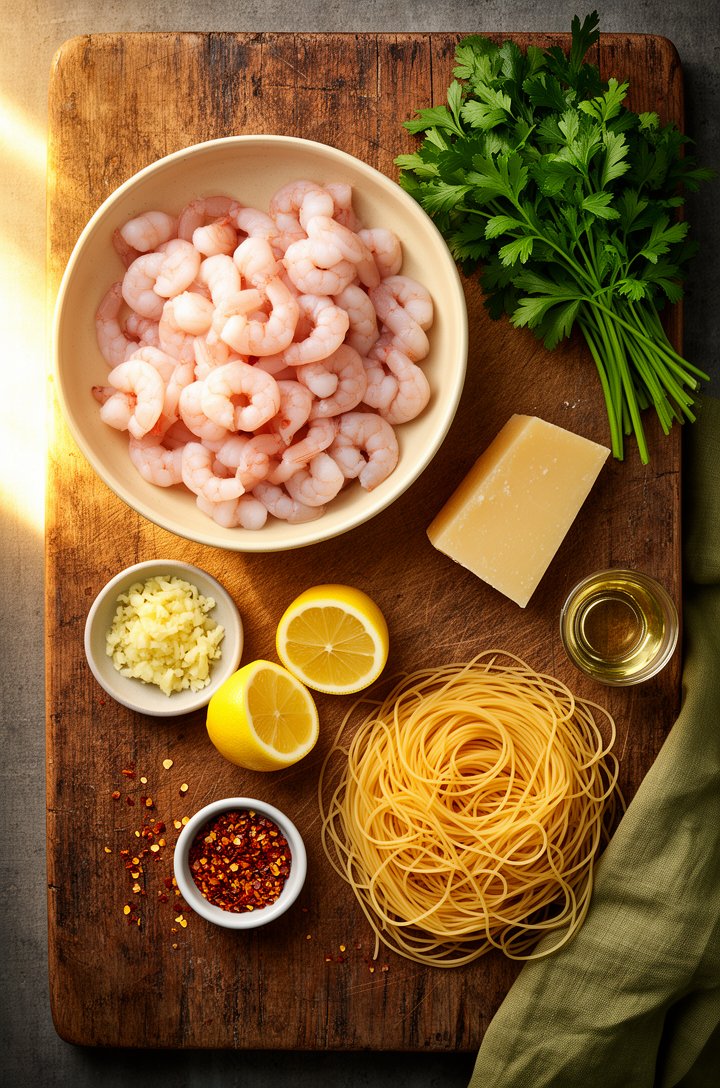
The trick is letting the garlic go just long enough. Thirty seconds past fragrant and you're into bitter territory — and bitter garlic sauce is not a thing anyone wants to eat twice. Keep the heat at medium-high, not raging, and watch for that pale gold color.
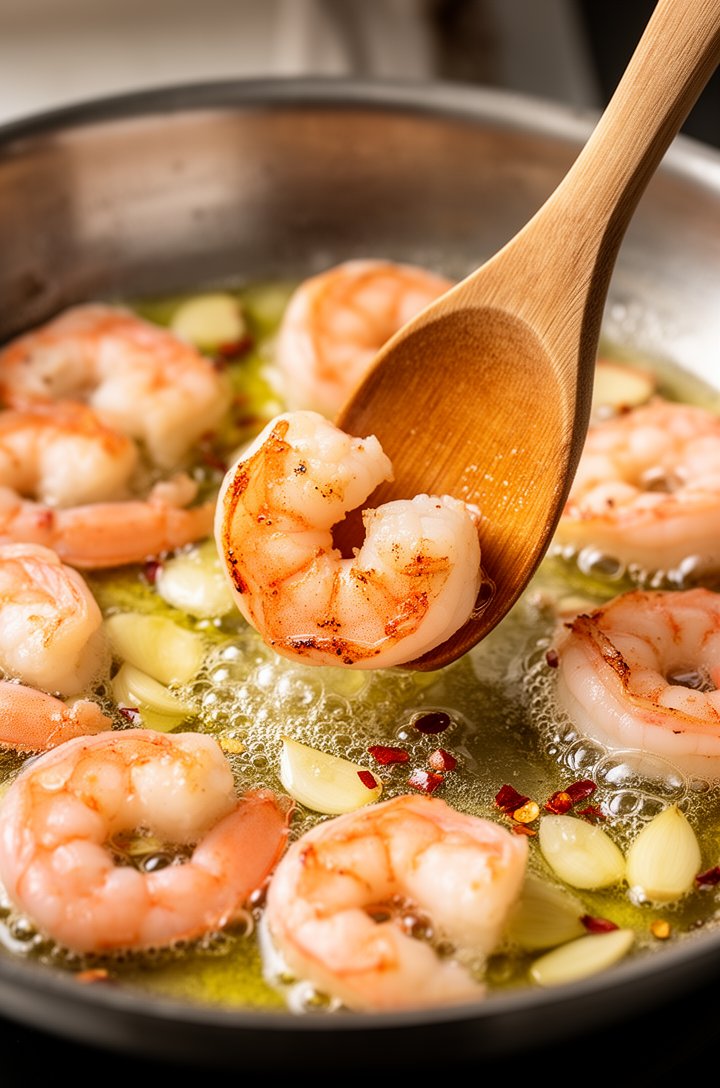
The shrimp cook in about two minutes per side. That's it. If they curl into a tight ball, you've gone too far — a loose C-shape is what you're after. Pull the pan off the heat before you add the finishing butter. This is the move that makes the sauce silky instead of greasy. Residual heat melts the butter into an emulsion. A live flame breaks it.
Toss the pasta straight into the pan. Don't plate the shrimp on top of pasta like a cafeteria — the noodles need to swim in that sauce for 30 seconds so every strand gets coated. A splash of starchy pasta water helps the sauce cling. Parmesan is optional. I never skip it.

Mise en place
Ingredients
- 2 tbsp Olive Oil
- 4 tablespoons butter, divided
- 4-5 large cloves garlic, mincedminced
- 1¼ pounds large shrimp, peeled and deveined (tails on or off)peeled and deveined
- Salt, to taste
- Cracked black pepper, to taste
- ¼ cup dry white wine (or chicken broth)
- ½ teaspoon red pepper flakes (or to taste)Optional
- 2 tablespoons fresh lemon juice (about 1 lemon)
- 0.25 cup Fresh Parsleychopped
To Serve
- 8 oz angel hair pasta (or linguine)
- ¼ cup grated parmesangratedOptional
The Method
Instructions
- 01
Bring a large pot of salted water to a boil and cook angel hair pasta until just al dente. Reserve 1 cup of pasta water, then drain.
Done when:Pasta bends easily but still has a faint white core when you bite through — it finishes cooking in the sauce.
- 02
Heat olive oil and 2 tablespoons of butter in a large skillet over medium-high heat. Add minced garlic and sauté until fragrant.
Done when:Garlic is pale gold and the kitchen smells like a good decision. If it turns brown, the heat is too high.
- 03
Add shrimp in a single layer. Season with salt and pepper. Sear without moving for 1-2 minutes, then flip and cook the other side.
Done when:Shrimp are pink on the outside with golden-brown spots on the seared side. They curl into a loose C shape — if they're a tight O, they're overcooked.
- 04
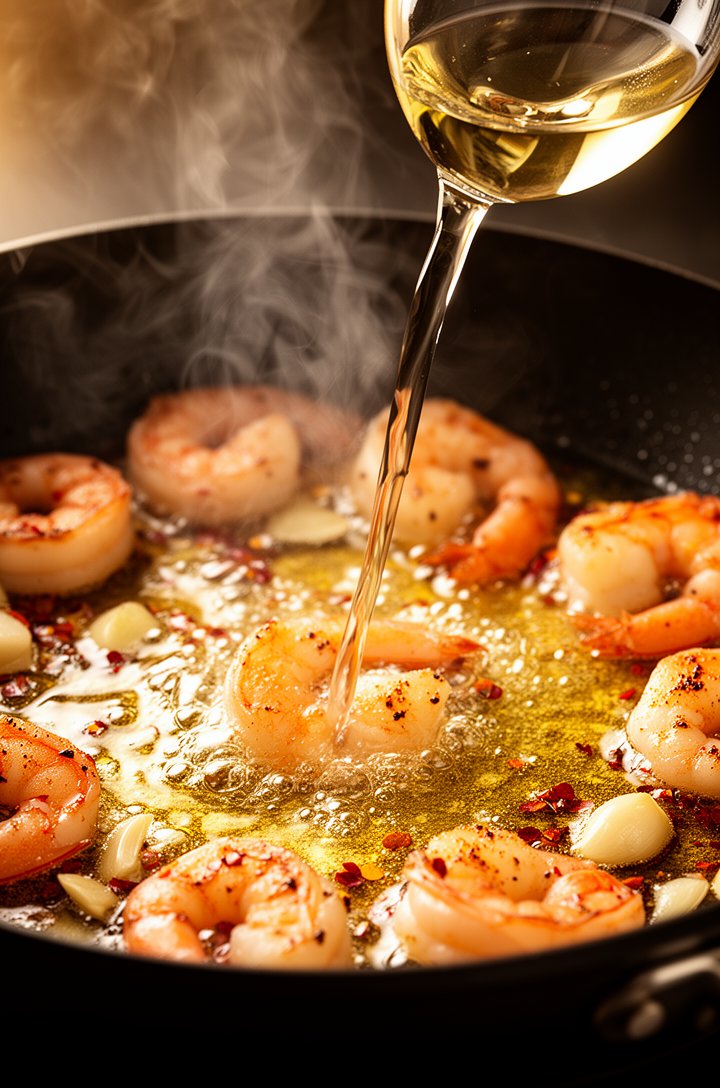
Pour in white wine and add red pepper flakes. Let the sauce simmer until reduced by about half.
Done when:Sauce coats the back of a spoon and the raw alcohol smell has cooked off. Liquid should be glossy, not watery.
- 05
Remove from heat. Stir in the remaining 2 tablespoons of butter, lemon juice, and parsley.
Done when:Butter melts into the sauce creating a silky, emulsified sheen — not separated pools of grease.
- 06
Toss drained pasta into the skillet with the shrimp and sauce. Add a splash of reserved pasta water if it looks tight.
Done when:Every strand of pasta is glossy and coated. The sauce clings, not puddles at the bottom.
Where it goes wrong
Common mistakes
- ✕Overcrowding the pan — shrimp release moisture, so they steam instead of sear. Work in batches if your skillet is small.
- ✕Cooking the garlic too long — it goes from fragrant to bitter in about 15 seconds once it starts browning.
- ✕Overcooking the shrimp — they need 2 minutes per side, max. If they curl into a tight ball, they're rubber.
- ✕Adding cold butter on high heat — it splits. Kill the flame first, then swirl it in.
Context
Compared to the usual
Classic Italian-American shrimp scampi lives on a spectrum. The old-school red-sauce-joint version drowns the shrimp in breadcrumb-topped garlic butter under a broiler — heavy, rich, almost gratin-like. The modern weeknight version (this one) is lighter: a fast pan sauce, wine and lemon doing the work, pasta optional. Somewhere in between sits the Ina Garten school — roasted shrimp scampi in a baking dish, hands-off but missing the fond you get from a hot skillet. Ours leans fast-and-bright. The sear is non-negotiable.
Glossary
Techniques used
- Scampi
- Technically a type of langoustine (Norway lobster). In American cooking, 'scampi' refers to the garlic-butter-wine preparation, not the shellfish. The dish is really 'shrimp cooked scampi-style.'
- Deglaze
- Pouring liquid (wine, broth) into a hot pan to dissolve the caramelized bits stuck to the bottom. All that flavor goes into your sauce.
- Emulsify
- Blending fat (butter) into liquid (wine, lemon juice) so they stay combined instead of separating. Off-heat swirling is the trick.
- Al dente
- Italian for 'to the tooth.' Pasta cooked until it still has a slight firmness when you bite through — not mushy, not crunchy.
Riffs
Variations
Lemon-heavy
Double the lemon juice and add lemon zest to the pasta. Brighter, more acidic — great in summer when you want the dish to feel lighter.
Spicy scampi
Bump the red pepper flakes to a full teaspoon and add 2 dashes of hot sauce with the wine. David's running club prefers this version.
No-pasta scampi
Skip the angel hair entirely. Serve the shrimp and sauce in a bowl with crusty bread for dipping. Fewer carbs, more sauce-mopping.
With cherry tomatoes
Halve a cup of cherry tomatoes and add them with the wine. They burst and sweeten the sauce — a nice bridge if someone thinks the dish is too rich.
Q & A
Frequently asked
What size shrimp should I use?
Large shrimp, 31-40 count per pound. Big enough to sear properly without overcooking, small enough that you get a few in every forkful with the pasta.
Can I skip the wine?
Yes. Use chicken broth with an extra tablespoon of lemon juice. You lose some depth but the garlic butter carries the dish regardless.
Frozen shrimp or fresh?
Frozen is fine — most 'fresh' shrimp at the counter was frozen anyway. Thaw overnight in the fridge or under cold running water for 10 minutes. Pat very dry.
What pasta works best?
Angel hair is traditional because it cooks as fast as the shrimp. Linguine and spaghetti work too. Avoid anything heavy like rigatoni — this sauce is delicate.
Can I use pre-minced garlic?
You can, but the jarred stuff has extra water that dilutes the oil and prevents a proper sauté. Fresh garlic takes 30 seconds to mince and the difference is real.
Storage
Refrigerate in an airtight container for up to 2 days. Store shrimp and pasta separately if possible — the pasta absorbs sauce as it sits.
Reheating
Covered skillet over medium-low heat with a splash of broth or pasta water. Stir gently until warmed through, about 3 minutes. Do not microwave — it turns shrimp rubbery.
Freezing
Not recommended. Shrimp lose their texture after freezing in sauce, and the pasta turns mushy. If you must, freeze the shrimp and sauce without pasta for up to 1 month.
Make ahead
Peel and devein the shrimp up to a day ahead — store on paper towels in a sealed container so they stay dry. Mince the garlic and juice the lemon. Actual cooking should happen fresh; this is a 10-minute recipe, not a make-ahead situation.
Serve with
Crusty bread for sauce-mopping is mandatory. A simple arugula salad with lemon vinaigrette cuts through the butter. If you're feeling it, a glass of the same white wine you cooked with.